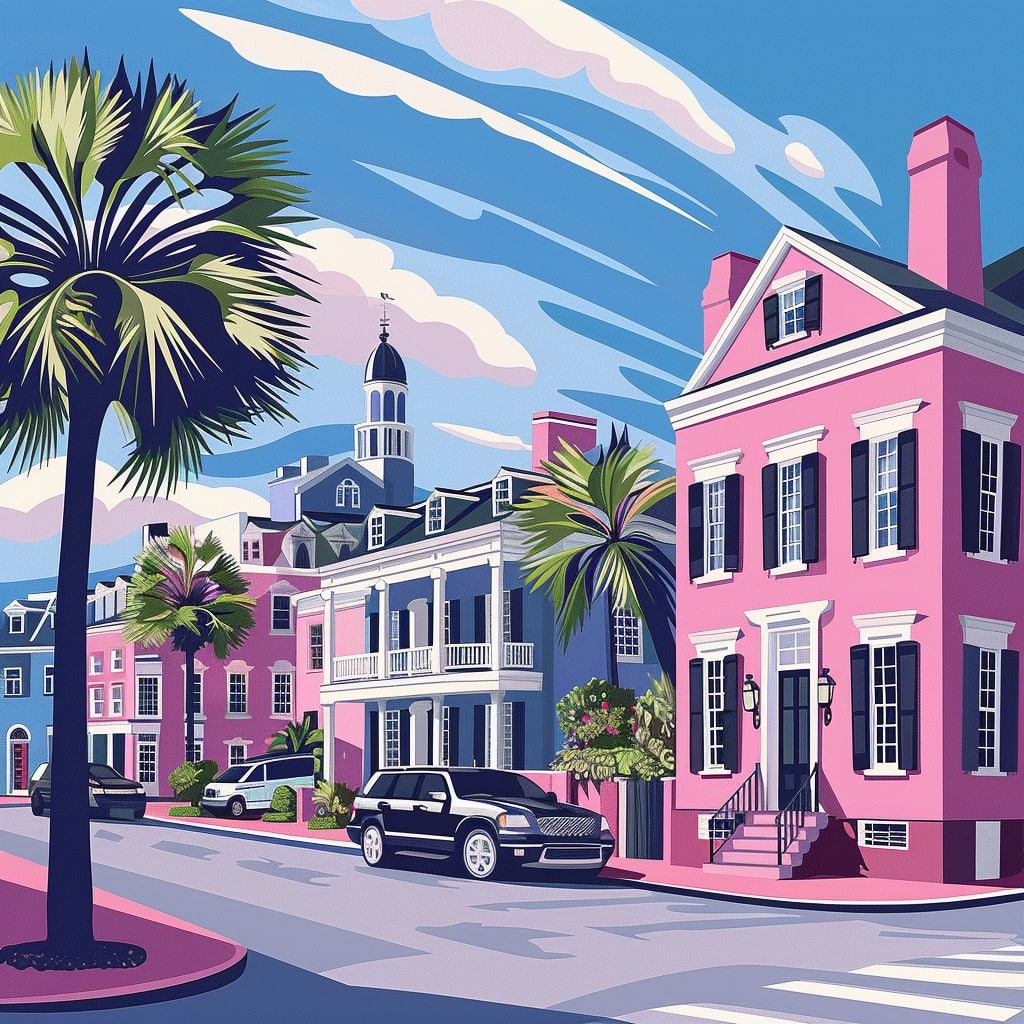
Charleston, South Carolina, the jewel of the Lowcountry, is often heralded as one of America’s most desirable cities. But as a resident who has seen the city’s evolution, I can tell you it’s not all rainbows and magnolias. The charm comes with a hefty price tag, and here’s why.
A Top-Tier Tourist Magnet
Each year, Charleston tops the lists of travel magazines and websites as a must-visit destination. Tourists flock here, drawn by the picturesque streets, historic homes, and culinary delights. The irony is that many who come for a visit end up wanting to stay. These “vacation-turned-relocation” scenarios are more common than you might think and significantly drive up demand for housing.
Natural Beauty Comes at a Cost
There’s no denying Charleston’s natural allure. From the stunning coastline to the lush, historic gardens, the city’s beauty is undeniable. But living in paradise isn’t cheap. The scenic views and idyllic weather are major draws, but they also contribute to the rising cost of living as more people move here to enjoy the lifestyle.
Capitalizing on a Dark Past
Charleston has a complex history, and it has found a way to turn that into a tourism boon. The city’s historical significance, including its darker chapters, attracts countless visitors. These tourists often fall in love with the city’s charm and decide to move here, further driving up housing prices and living costs. This influx of new residents, often from more affluent areas, brings with it a willingness to pay higher prices, which locals then have to match.
The Pandemic Effect
During the pandemic, Charleston was notably more open than many other cities, offering a semblance of normal life when much of the country was locked down. This relative freedom, combined with initially lower living costs, attracted a wave of remote workers and wealthy individuals from states like New York and California. They snapped up properties at low interest rates, pushing housing prices through the roof.
Inflated Costs and Gentrification
These new residents brought their higher spending power, which has led to a rise in the cost of goods and services. National inflation trends have played a part, but the local effect is magnified by Charleston’s desirability and the influx of money. Unfortunately, this has been detrimental to the city’s cultural fabric.
Cultural Erosion
The local music and arts scenes have suffered immensely. Rising costs and fewer opportunities have driven many talented individuals to seek more supportive environments in larger cities. It’s a bit of a cruel joke that Charleston now rivals New York in terms of living costs, considering the limited opportunities here compared to the Big Apple.
Infrastructure Issues
Despite the high costs, Charleston struggles with significant infrastructure problems, especially flooding. The city’s drainage system is notoriously poor, and as sea levels rise, so do the challenges. While this hasn’t yet deterred the influx of new residents, it’s a looming threat that could impact the city’s future desirability and affordability.
The Price of Reputation
Ultimately, Charleston’s reputation as a desirable place to live is its own worst enemy. The city’s beauty, history, and lifestyle draw people in, but these same factors drive up the cost of living. There’s money to be made, and until the city’s infrastructure issues become too glaring to ignore, the cost of living here is unlikely to drop.
Perhaps it’s time for Charleston to loosen its grip on its historical narratives and focus on creating a sustainable, inclusive future. But until then, the cost of living will likely continue to climb, driven by its own success as one of America’s most desirable cities.