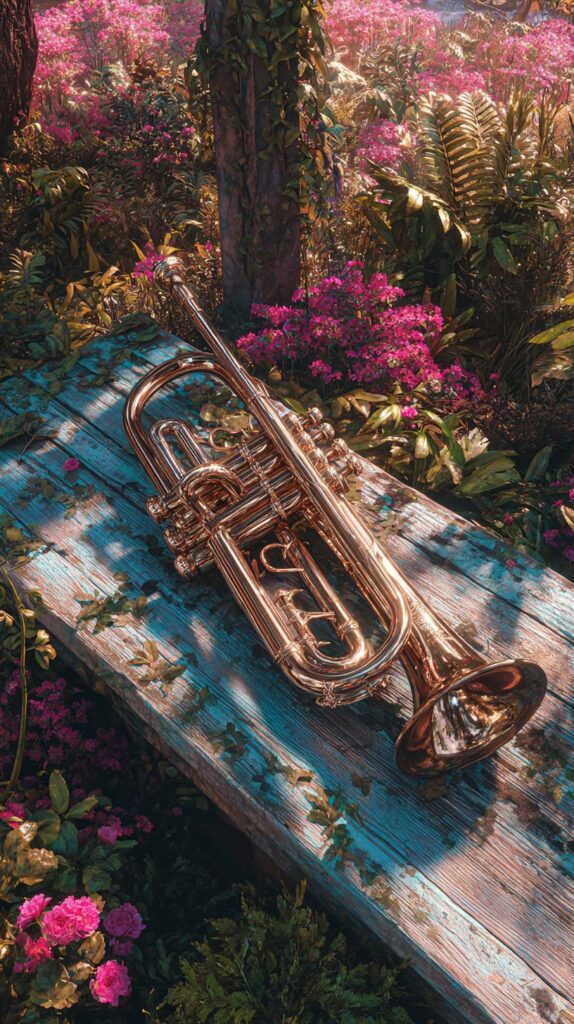
The trumpet is bold, brassy, and unmistakable. Its sound can cut through a full orchestra, lead a jazz band, or wake up a whole stadium with just one powerful note. But behind that bright, shiny bell is a rich world of history, skill, and secrets most people never hear about.
Let’s dig into ten amazing trumpet facts that show just how special this instrument really is.
1. Trumpets Are Some of the Oldest Instruments in the World
Long before they were used in jazz clubs or marching bands, trumpets were used in ancient civilizations — even as far back as 1500 B.C.! Trumpets have been found in ancient Egyptian tombs, like King Tutankhamun’s.
Back then, they weren’t used for music. They were military tools, used to signal troops in battle or announce kings and queens.
2. They Used to Be Made of All Kinds of Things — Even Shells
Before modern brass trumpets, ancient versions were made from conch shells, animal horns, wood, or silver. Different cultures had different takes on the trumpet, but the goal was always the same: to carry a strong, clear sound over long distances.
One of the oldest still-used forms is the shofar, a Jewish ceremonial trumpet made from a ram’s horn.
3. A Trumpet Only Has Three Valves — But Can Play Over 40 Notes
It seems impossible: how can just three buttons make so many notes?
It’s all about the player’s lips. Trumpeters control pitch with embouchure, which is the shape and tightness of their mouth muscles. By combining different valve combinations and adjusting their embouchure, players can create dozens of tones.
This makes the trumpet both simple and incredibly complex.
4. The Highest Note Ever Played on a Trumpet Is Screaming High
Trumpets can reach extremely high notes — higher than many instruments in the orchestra. The current world record for highest note played is a double C (C8), which is higher than the highest key on a piano.
To hit notes that high, a player needs perfect control, strong lungs, and a lot of lip strength.
5. The Trumpet Family Includes More Than Just One Instrument
Most people think of the classic B♭ trumpet, but there are actually many types of trumpets:
- Piccolo trumpet: The smallest and highest-pitched.
- C trumpet: Common in orchestras.
- Bass trumpet: Deeper, with a larger bell.
- Pocket trumpet: Compact, but plays like a full-size B♭.
Each one has its own sound and purpose. Musicians often own more than one.
6. The Trumpet Wasn’t Always a Musical Instrument
Up until the 1600s, trumpets were mainly military and ceremonial tools. They didn’t even have valves, so they could only play a few notes.
It wasn’t until the Baroque era that trumpets entered classical music. And once valves were added in the early 1800s, the trumpet’s full potential was unlocked.
7. Famous Trumpeters Helped Shape Modern Music
Some of the most legendary musicians in history were trumpet players. Here are just a few:
- Louis Armstrong – Father of jazz trumpet.
- Miles Davis – Pioneer of cool jazz and fusion.
- Dizzy Gillespie – Known for his puffed cheeks and bent horn.
- Wynton Marsalis – Grammy-winning classical and jazz virtuoso.
These players didn’t just perform — they changed music with their style, sound, and innovation.
8. Trumpets Take Serious Lung Power
A trumpet player uses a ton of air — but not always the way people think. It’s about speed and control, not just volume.
A steady stream of fast-moving air is needed to make the lips vibrate at just the right pitch. And unlike wind instruments like the flute or saxophone, the trumpet has tight resistance, so it pushes back against the breath.
Professional trumpeters train for years to build stamina, lung capacity, and breath control.
9. Trumpets Can Be Heard Over an Entire Orchestra
Thanks to their bright, piercing tone, trumpets are often the loudest instruments in an orchestra or band. They can play melodies, fanfares, or harmony lines, and still be heard above the rest.
This powerful sound is why composers love giving heroic or dramatic parts to the trumpet section.
10. Cleaning a Trumpet Is Almost Like Cleaning a Car Engine
A trumpet isn’t just shiny brass on the outside. Inside, it’s full of tubing, valves, and moving parts — and they need regular care.
Players use valve oil, slide grease, and soft brushes to keep everything running smoothly. If a trumpet gets dirty, sticky, or dry, it can lose its tone or stop working.
Every serious player knows: if you don’t take care of your trumpet, it won’t take care of you.
Final Thoughts: The Trumpet Is a Sound Like No Other
The trumpet is loud, proud, and full of history. It can shout, whisper, sing, and soar — all from just three valves and a bell. Whether it’s leading a jazz solo, blasting a movie soundtrack, or echoing through a marching band, the trumpet has a voice that always stands out.
It’s an instrument of power, control, and surprising depth. Once you hear it, you never forget it.