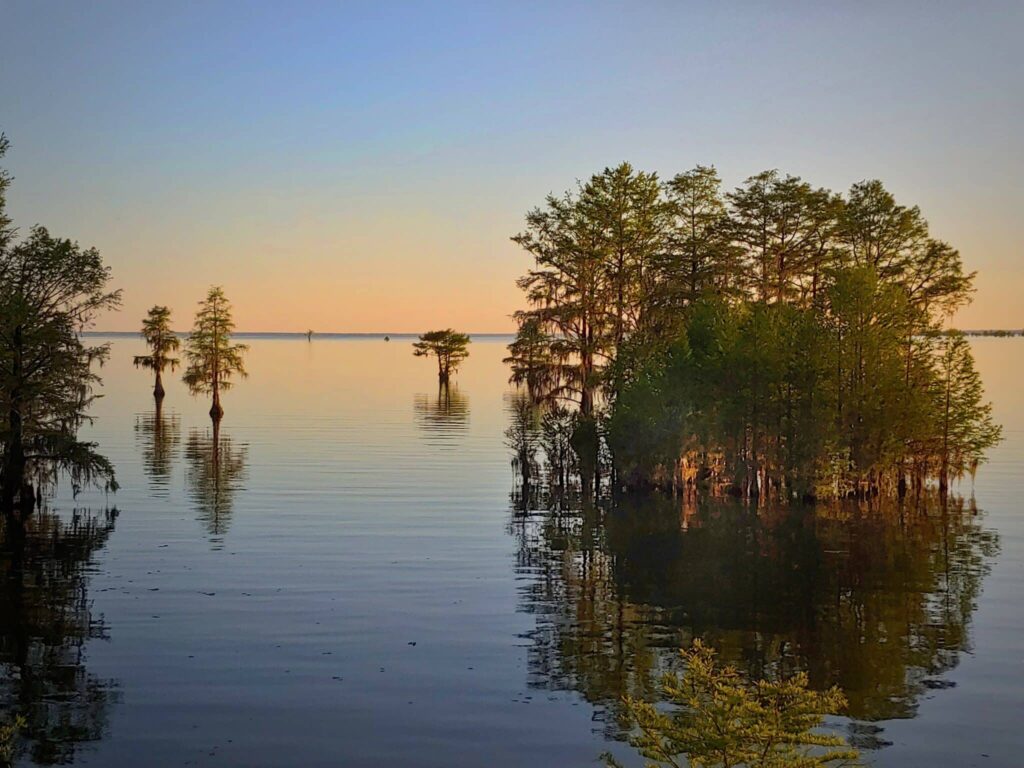
Lake Moultrie, the third-largest lake in South Carolina, is a man-made lake located in Berkeley County, just a short drive from our hometown of Charleston.
With an area of approximately 60,000 acres and a shoreline of over 200 miles, it is a popular destination for locals and visitors alike, offering a variety of outdoor recreational activities such as fishing, boating, hiking, and relaxation.
The lake is an essential source of water for the surrounding communities and industries, and its rich history and unique features make it an important part of the region’s economy and culture.
Its creation is linked to the Santee Cooper Project, a significant hydroelectric dam and power generation project that aimed to develop the region’s water resources for the benefit of the people living there.
The Santee Cooper Project
The Santee Cooper Project was a joint effort between the federal government and the state of South Carolina, and it included the construction of two large dams – the Santee Dam and the Pinopolis Dam.
These dams impounded the Santee River and the Cooper River, respectively, and created two man-made lakes – Lake Marion and Lake Moultrie.
Lake Moultrie was created as a direct result of the Pinopolis Dam, which was completed in 1941. The lake was named after William Moultrie, a Revolutionary War general who played a key role in the defense of Charleston.
The Santee Cooper Project was a significant achievement that brought about many benefits to the region. It provided a reliable source of electricity, facilitated navigation and commerce, improved flood control, and created new opportunities for recreation and tourism.
The creation of Lake Moultrie was an integral part of this project and remains an important part of the region’s economy and culture to this day.
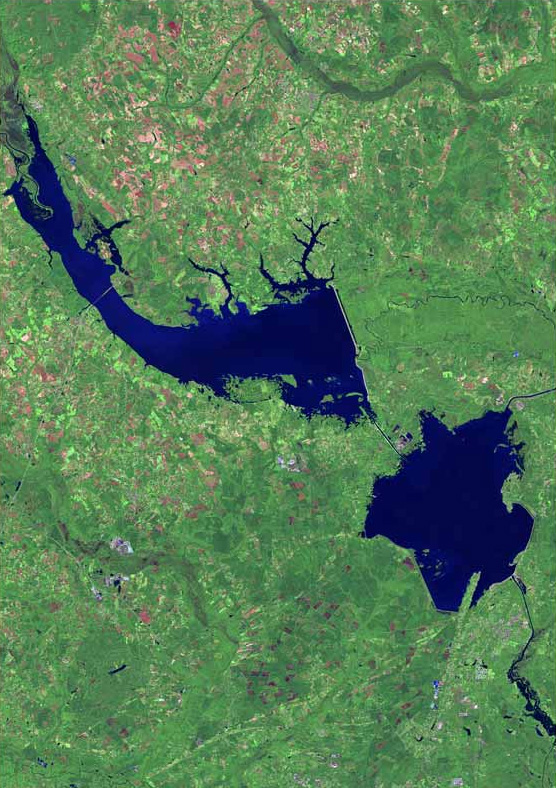
Pinopolis Dam
The Pinopolis Dam impounded the Cooper River, creating Lake Moultrie. The construction of Pinopolis Dam was a significant engineering feat, requiring the displacement of many families and communities.
However, the dam and the resulting lake brought many benefits to the region, including a reliable source of hydroelectric power, improved navigation and commerce, flood control, and new opportunities for recreation and tourism.
Name and Significance
Lake Moultrie was named after William Moultrie, a Revolutionary War general who played a key role in the defense of Charleston, South Carolina.
Moultrie was born in 1730 in Charleston and served as a captain in the South Carolina militia during the French and Indian War. He later served as a colonel during the American Revolution and is best known for his victory over the British at the Battle of Sullivan’s Island in 1776.
Moultrie’s victory at the Battle of Sullivan’s Island prevented the British from taking Charleston and was a significant turning point in the American Revolution. In recognition of his contributions to the war effort, Moultrie was promoted to brigadier general and served as governor of South Carolina from 1785 to 1787, and again from 1792 to 1794.
The naming of Lake Moultrie after William Moultrie was a fitting tribute to this important figure in South Carolina’s history.
Submerged Stumps and Underwater Humps
One of Lake Moultrie’s unique features is the presence of many submerged stumps in the lake’s gently sloping shorelines. Most of the lake was timbered before impoundment, and these stumps have remained hidden underwater.
While caution is urged when navigating in shallow water, away from the shoreline, the majority of Lake Moultrie is suitable for pleasure boaters and fishermen alike. Much of the open water varies in depth from 10 feet to 30 feet deep, as numerous underwater humps and contour breaks exist throughout the lake.
These underwater humps and contour breaks provide excellent fishing opportunities for anglers, as they create habitats where fish can congregate. Many anglers report catching their largest fish on these underwater structures, which can be located with the help of depth finders and other fishing equipment. The lake’s unique features and topography make it an ideal location for fishing and boating enthusiasts.
Aquatic Life: Striped Bass, Catfish, and More
Lake Moultrie is home to several species of fish, making it a popular destination for anglers. The lake is famous for its striped bass, which were found in the lake after the closure of Lake Marion Dam in 1941.
Although the striped bass population has declined in recent years due to a variety of factors, recent efforts to rebuild the population have had positive results.
Blue and flathead catfish were introduced into the lake in the mid-1960s and have since thrived, providing anglers with the opportunity to catch some of the largest freshwater fish they will ever encounter.
These catfish are known for their size and the challenge they pose to anglers. Largemouth bass and shellcracker are also abundant in the lake and provide unique opportunities for catching large fish.
In addition to these species, Lake Moultrie is home to several other fish species, including crappie, catfish, and bream. The lake’s unique features, such as the underwater humps and contour breaks, provide habitats for these species, making it an excellent location for fishing enthusiasts of all levels.
Importance to the Region’s Economy and Culture
Lake Moultrie is an essential part of the region’s economy and culture. The lake attracts thousands of visitors each year, generating millions of dollars in revenue for the surrounding communities. It provides numerous opportunities for outdoor recreation and relaxation, including fishing, boating, camping, and hiking.
The lake also plays a crucial role in the region’s water supply, providing water for surrounding communities and industries. The Santee Cooper Project, which created Lake Moultrie, was a significant achievement that brought many benefits to the region, including flood control, improved navigation and commerce, and a reliable source of hydroelectric power.
The Enduring Legacy of Lake Moultrie
Lake Moultrie’s creation was a significant achievement in the development of the region’s water resources. Today, it remains an essential part of the region’s economy and culture, attracting visitors from all over the world who come to enjoy its unique features and outdoor recreational opportunities.
The lake’s abundant fish populations and unique topography make it a popular destination for anglers, while its scenic beauty and peaceful atmosphere provide a welcome respite from the hustle and bustle of daily life. As such, Lake Moultrie has an enduring legacy that will continue to inspire and delight generations to come.